
Spinal Stenosis: Pain, Function, and Nervous System Health
- Dr. Alec

- Sep 26, 2025
- 3 min read
"Indianapolis patients: Learn how spinal stenosis affects your spine, nerves, and daily function—and how chiropractic care can help reduce pain, restore mobility, and optimize nervous system function."
Whether you’re an active adult, a weekend warrior, or managing age-related spinal changes, spinal stenosis can make everyday movement challenging. This condition, characterized by narrowing of the spinal canal, can compress nerves and cause pain, numbness, or weakness. At Electric Life Chiropractic in Indianapolis, we focus on reducing discomfort, restoring spinal function, and optimizing nervous system coordination, helping you move more comfortably and safely."
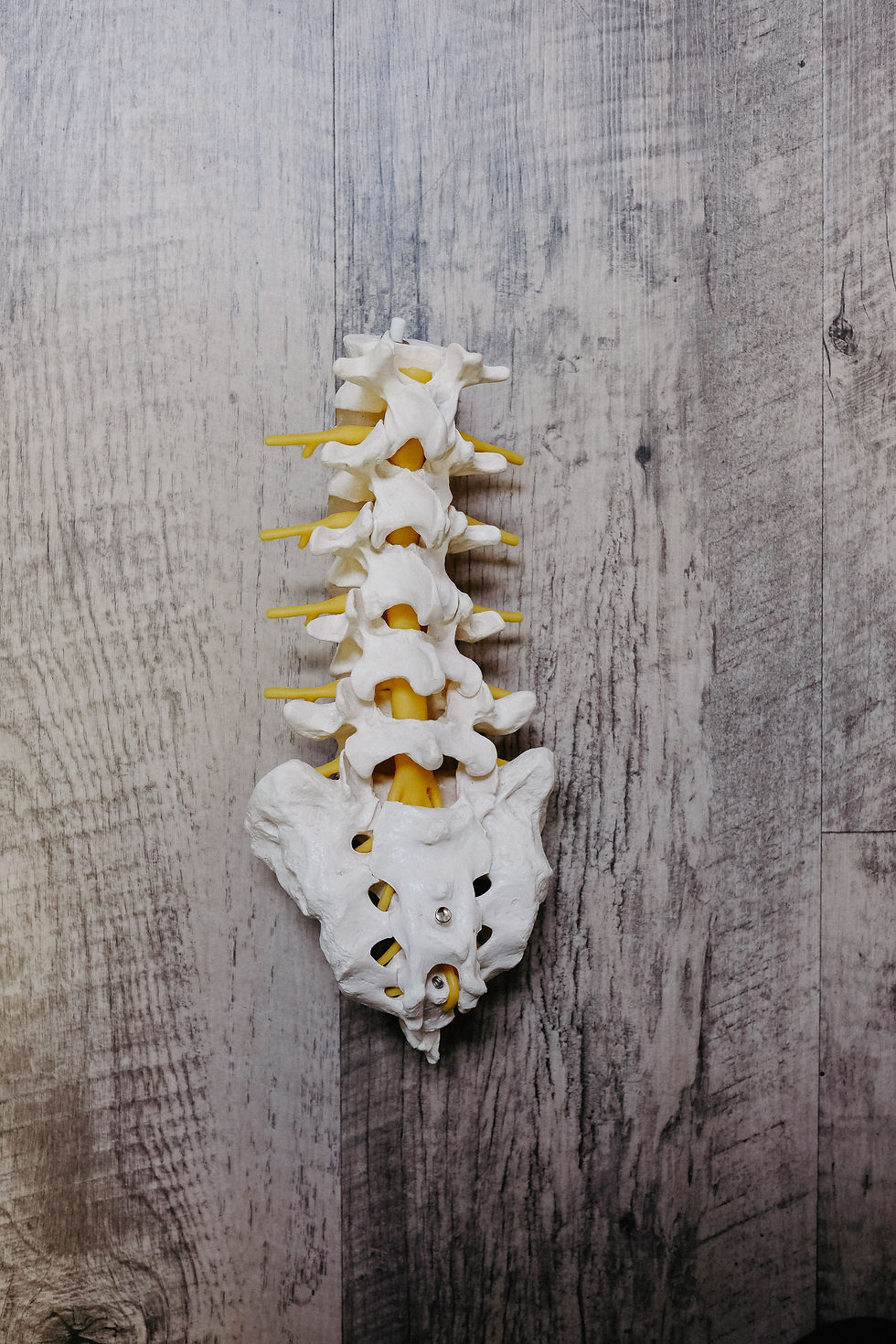
What Spinal Stenosis Is
Definition: Narrowing of the spinal canal or neural foramina, compressing spinal nerves
Common Locations: Cervical (neck) and lumbar (lower back) regions
Symptoms: Pain, numbness, tingling, weakness in extremities, reduced endurance or mobility
Key Structures Involved:
Vertebrae and intervertebral discs
Facet joints and ligamentum flavum
Spinal nerves and nerve roots
Paraspinal muscles and supporting ligaments
Nervous system pathways controlling sensation and motor function
Neurological Implications
Nerve compression can cause radiculopathy, tingling, or weakness in arms or legs
Altered spinal mechanics overload surrounding muscles, increasing pain and fatigue
Nervous system dysfunction may affect balance, coordination, and proprioception
Neuroplasticity allows for retraining movement patterns and improving functional mobility, even with structural narrowing
How It Happens – Causes
Degenerative changes in discs and facet joints
Thickening of ligaments over time
Bone spurs from osteoarthritis
Trauma or injury causing spinal canal narrowing
Genetic or congenital spinal canal narrowing
How Chiropractic Care Helps
Spinal stenosis chiropractic care in Indianapolis focuses on:
Spinal Adjustments / Mobilizations: Restore motion and reduce irritation
Soft Tissue Therapy: Relieve tension in paraspinal muscles
Strengthening Core & Stabilizers: Support spinal alignment and reduce load
FMSA Integration: Identify compensatory movement patterns and weaknesses
Pain Reduction & Function Improvement: Improve endurance, balance, and mobility
Rehabilitation & Functional Support
Mobility Exercises
Cat-Cow and gentle spinal flexion/extension
Pelvic tilts to reduce lumbar compression
Hip and thoracic mobility exercises
Stability & Strengthening
Bird Dog, Dead Bug, and Glute Bridges
Side Planks for lateral stability
Core and pelvic floor activation
Neuroplasticity & Movement Retraining
Mindful posture drills and alignment awareness
Controlled movement sequences for safe extension and rotation
Mirror or video feedback to reinforce proper patterns
At-Home Support / Modalities
Ice or heat for pain relief
Foam rolling paraspinal muscles and glutes
Ergonomic adjustments at desk, home, and in daily activity
Walking or low-impact movement to maintain mobility
Recovery Time & Risk
Mild spinal stenosis: 2–6 weeks with targeted exercises and adjustments
Moderate: 4–8 weeks focusing on function and symptom management
Severe: ongoing, with functional improvements prioritized over full structural change
Early chiropractic intervention improves spinal mobility, nervous system coordination, and quality of life
Key Takeaways
Spinal stenosis can cause pain, numbness, tingling, or weakness in neck, back, and extremities
Chiropractic care with FMSA-guided rehab restores spinal function and nervous system coordination
Strengthening stabilizers and retraining movement patterns improves balance, posture, and daily mobility
Structural narrowing may remain, but functional improvements are achievable
"If you’re experiencing pain, numbness, or weakness from spinal stenosis, chiropractic care can help restore function and reduce discomfort. At Electric Life Chiropractic in Indianapolis, we use Functional Movement Screening Analysis (FMSA) to create personalized plans that strengthen stabilizers, optimize spinal alignment, and retrain your nervous system. Schedule a consultation today to move more comfortably and safely every day."


