
Yoga and Injuries: When Movement Heals — and When It Hurts
- Dr. Alec

- Nov 7, 2025
- 4 min read
Indianapolis yogis — yoga is meant to heal, not hurt. Yet even the most mindful practice can sometimes lead to pain, tightness, or injury, especially when the body’s nervous system is stressed or compensating for imbalance.
At Electric Life Chiropractic, we see yoga-related injuries ranging from gentle muscle strains to chronic low-back pain or wrist tension. The truth is, yoga challenges both the body and the brain — and when posture, alignment, or nervous system regulation are off, even healthy movement can create dysfunction.
This blog explores how yoga injuries happen, what’s happening neurologically and biomechanically, and how chiropractic-guided movement can help yogis of all levels move better and recover faster.
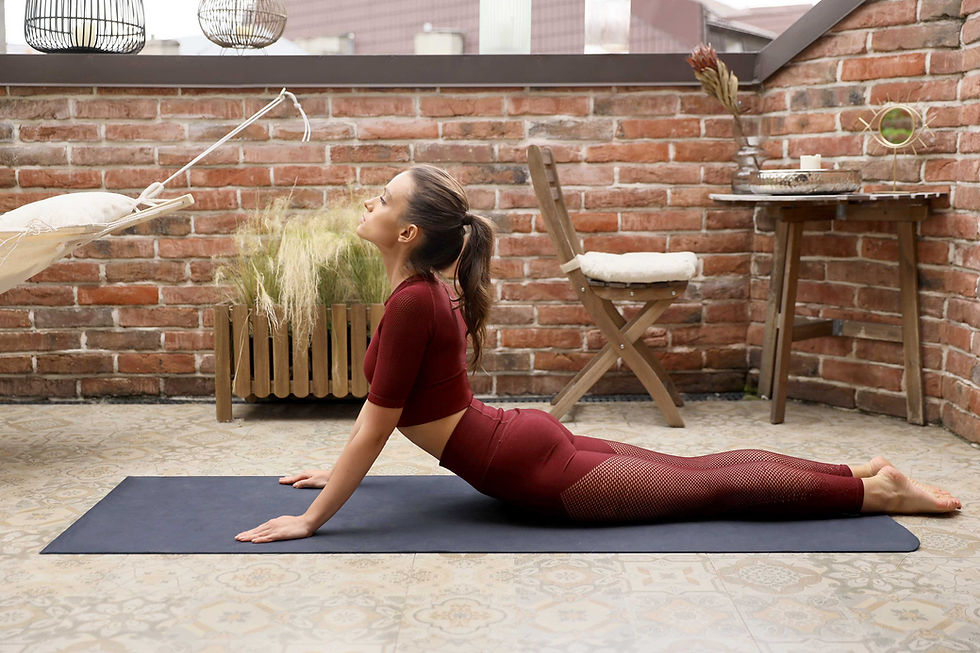
Common Yoga-Related Injuries
Though yoga seems gentle, certain poses place significant stress on joints, ligaments, and stabilizing muscles.
Most yoga-related injuries don’t occur from one-time trauma, but from overuse, poor alignment, or pushing beyond natural range of motion.
Here are a few key factors:
1. Overstretching the Fascia and Joints
The connective tissue (fascia) and ligaments need time and gradual stress to adapt. Forcing flexibility too quickly — particularly in the hips, hamstrings, or shoulders — can cause microtears, instability, and chronic pain.➡️ Tip: Focus on balanced strength and flexibility. Every “stretch” should be an act of mindful expansion, not force.
2. Muscle Imbalance or Weakness
Many yoga postures demand stabilization through smaller, deeper muscles. Weakness in the core, glutes, or shoulders can cause compensations that strain joints and tendons.➡️ Tip: Strengthen supporting muscles through controlled, active engagement rather than relying solely on passive stretching.
3. Ignoring the Body’s Feedback
Pain, tension, and restricted movement are communication signals from the nervous system. Ignoring these cues disrupts the body’s ability to self-regulate and increases injury risk.➡️ Tip: Move slowly, with curiosity — yoga is a practice of awareness, not achievement.
Frequent areas of injury include:
Wrists & Elbows: From weight-bearing poses like Down Dog, Plank, or Chaturanga
Shoulders: Overstretching or collapsing into joint end-range
Low Back & Sacrum: Rounding or twisting with weak core engagement
Hips & Hamstrings: Overstretching or pushing into passive flexibility
Neck: Compression from poor shoulder stability or headstands
The Nervous System’s Role in Yoga Injuries
Yoga depends on a regulated nervous system. When the body is calm and aware, muscles engage in coordinated balance. When the nervous system is stressed or dysregulated, compensations form:
Overactivation (Sympathetic Dominance): Muscles tighten, coordination drops, breath shortens.
Underactivation (Parasympathetic Fatigue): Stability weakens, proprioception dulls, control fades.
Proprioceptive Confusion: The brain misjudges joint position, increasing risk of hyperextension or strain.
Every asana (pose) is a conversation between the brain, spine, and muscles. When communication falters, injuries follow.
How Chiropractic Care Helps Yogis
Chiropractic care focuses on restoring alignment and nervous system balance so the body can self-correct and heal.
Benefits for yogis include:
Spinal Adjustments: Restore motion and nerve signaling to support balanced posture
Soft Tissue Work: Release tension in fascia and stabilizing muscles
FMSA Functional Movement Screening: Identify asymmetries and weak stabilizers
Breath-Posture Integration: Improve core engagement and diaphragmatic function
Neurological Regulation: Help shift from “fight or flight” into a healing state
When the spine moves well, yoga practice becomes more connected, intuitive, and safe.
Rehabilitation & Support Program for Yogis
Mobility & Awareness
Cat-Cow with Breath: Restores spinal fluidity and integrates diaphragmatic rhythm
Thread the Needle: Opens thoracic spine and shoulders
90/90 Hip Rotations: Improves hip capsule mobility and joint control
Stability & Strength
Forearm Plank or Dolphin Hold: Strengthens shoulders without wrist strain
Glute Bridge / Hip Thrust: Builds posterior chain activation for backbends
Dead Bug or Bird Dog: Reinforces core stability and spinal control
Scapular Push-ups: Activates shoulder stabilizers to protect joints
Mindful Integration
Slow transitions between poses, focusing on breath-to-movement connection
Balance effort and ease: avoid chasing flexibility at the cost of control
Incorporate gentle, restorative sessions after power or hot classes
Tips to Practice Yoga Safely
Warm up the body before deep poses to prepare fascia and joints.
Use props — blocks, straps, and bolsters make alignment accessible.
Breathe steadily to stay connected with your nervous system.
Modify poses to meet your unique structure and level of mobility.
Rest and recover — the body integrates change through stillness.
Recovery, Rest, and Realignment
Most mild yoga injuries heal within 2–6 weeks, but chronic strains or overstretching patterns can linger if not addressed neurologically.
Healing timeline depends on:
Frequency of aggravation (continuing to push through pain)
Nervous system regulation (stress, sleep, and recovery quality)
Functional retraining and postural awareness
At Electric Life Chiropractic, we teach patients how to rebuild alignment and proprioception so that each pose becomes a nervous-system training opportunity — not a stressor.
Key Takeaways
Yoga is both physical and neurological — injuries often stem from imbalanced movement or nervous system dysregulation.
Chiropractic care and FMSA-guided movement help retrain stability, balance, and proprioception.
True yoga healing happens when movement, breath, and the nervous system work in harmony.
Indianapolis yogis — if wrist pain, low back tension, or recurring strain are keeping you off the mat, chiropractic care can help restore alignment and nervous system balance.
At Electric Life Chiropractic, we integrate FMSA, spinal adjustments, and mindful movement strategies so you can return to your practice grounded, strong, and pain-free. Schedule your visit today and rediscover how good your body can feel in every pose."
Related Blogs / Learn More
Mindfulness, Movement, and Muscle Memory – How your brain learns movement
Back Pain and the Nervous System – Why chronic tension isn’t just muscular
Digital Detox for the Nervous System – Rebalance overstimulation and stress
Neuroplasticity & Recovery – How the nervous system learns and adapts


